Introduction
Dysphagia, a condition identified by trouble ingesting, poses substantial challenges for both patients and healthcare providers. As the maturing populace increases and chronic problems become a lot more widespread, understanding dysphagia is essential. It can cause serious issues such as lack of nutrition, dehydration, and ambition pneumonia if not taken care of properly. This post explores How Dysphagia Care Training Can Transform Your Strategy to Individual Support, providing understandings right into training programs offered for numerous health care experts. By the end of this detailed guide, you'll understand exactly how specialized dysphagia training can improve person treatment and support.
What is Dysphagia?
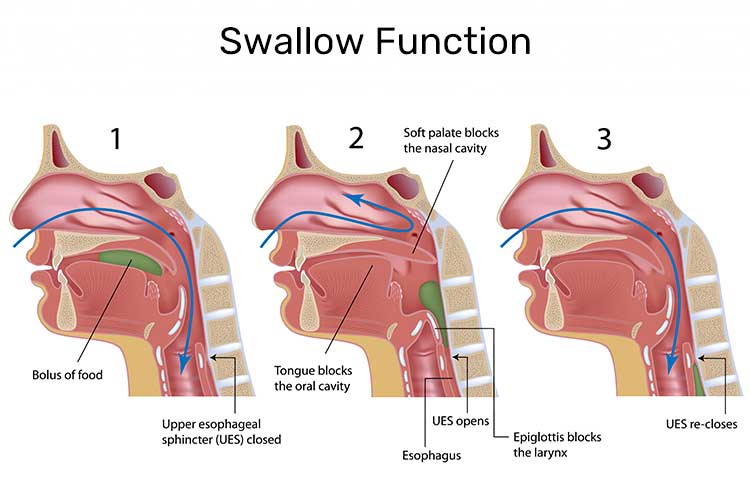
Dysphagia refers to problem in swallowing that can happen at any stage of the ingesting process: dental, pharyngeal, or esophageal.
Types of Dysphagia
Oropharyngeal Dysphagia: Difficulty initiating ingesting due to problems in the mouth or throat. Esophageal Dysphagia: Problem ingesting due to troubles in the esophagus.Understanding these kinds is essential for effective treatment.
Causes of Dysphagia
- Neurological disorders (e.g., stroke, Parkinson's condition) Structural problems (e.g., growths) Inflammation or scarring from conditions like GERD
Symptoms of Dysphagia
Common signs consist of:
- Coughing or choking while eating Feeling food embeded the throat Unexplained weight loss
Recognizing these signs and symptoms early can considerably enhance patient outcomes.
The Relevance of Dysphagia Training for Carers
Why Carers Need Specialized Training
Carers play a crucial role in sustaining individuals with dysphagia. With correct training, they can identify indicators early and carry out strategies that promote safe consuming and drinking.
Key Components of Dysphagia Training for Carers
- Understanding the composition of swallowing Identifying various textures appropriate for patients Techniques for safer feeding practices
With this knowledge, carers come to be equipped to give far better support.
Dysphagia Training for Care Personnel: A Necessity
Who Should Undertake Training?
All treatment staff associated with client assistance need to undergo dysphagia training courses. This includes nurses, occupational therapists, and nutritional personnel that interact with clients daily.
Benefits of Specialized Training for Care Staff
Enhanced client safety Improved communication among team members Greater confidence in handling complicated casesTraining equips personnel with devices essential to develop a helpful environment.
How Dysphagia Care Training Can Change Your Strategy to Patient Support
By investing in dysphagia care training, healthcare providers can transform their strategy in several ways:
Empowerment Via Education
Education enables caregivers to approach dysphagic people with confidence instead of fear.
Improved Individual Outcomes
Studies have actually revealed that centers implementing thorough dysphagia training see fewer incidents of ambition pneumonia and boosted dietary status amongst patients.
Building Team Cohesion
When all employee share a typical understanding of dysphagia management, it cultivates partnership and enhances general individual care.
Understanding Various Kinds of Dysphagia Training Courses
Not all training programs are created equivalent; it's essential to choose one that aligns with your needs:
|Program Kind|Target market|Duration|Emphasis Areas|| ----------------------------|-----------------------|------------------|----------------------------------|| Standard Dysphagia Course|New carers|1 day|Principles of dysphagia|| Advanced Dysphagia Course|Nurses & & Therapists|2 days|Medical analysis techniques|| On The Internet Dysphagia Course|Flexible students|Self-paced|Concept & & practical application|
Selecting the right program is critical for acquiring relevant knowledge.
The Duty of Registered nurses in Managing Individuals with Dysphagia
Nurses are frequently on the cutting edge concerning client treatment:
Assessment Skills Needed by Nurses
Nurses have to be skilled at analyzing signs and recognizing which patients might go to risk for dysphasia.
Implementing Treatment Plans
Once recognized, nurses work closely with speech specialists and dietitians to create tailored care plans that attend to individual needs effectively.
Adapting Diet regimens for Individuals with Dysphasia: The Significance of Structure Modification
One essential element covered in dysphagia training courses is how to customize food textures:
Texture Degrees Explained
Understanding texture levels-- such as pureed or minced diets-- assists guarantee safe usage while promoting appropriate nutrition.
Practical Tips for Appearance Modification
- Using thickeners appropriately Avoiding particular foods altogether (like nuts or seeds)
These adjustments are important in avoiding choking hazards.
Communication Strategies When Supporting People with Dysphasia
Effective interaction plays a key role in aiding those with swallowing troubles:
Techniques for Clear Communication
Using basic language and visual help can significantly boost understanding throughout mealtimes.
Encouraging Open Dialogue
Creating an atmosphere where clients really feel comfortable revealing their concerns motivates far better conformity with dietary modifications.
Benefits of Using Innovation in Dysphasia Management
Technology has changed several aspects of healthcare shipment:
Assistive Devices Available
From applications that track food consumption to clever cooking area devices that prepare appropriate meals-- innovation makes handling dysplasia much easier than ever before before!
Telehealth Opportunities
Telehealth permits specialists to consult experts from another location when intricate instances develop without needing face-to-face appointments constantly.
This adaptability enhances access significantly!
FAQs Regarding Dysphasia Care Training
Q1: What does a typical dyslexia training course cover?
A common course covers composition related particularly to ingesting features along with practical assessments needed when functioning straight with affected people - concentrating heavily on safety and security preventative measures throughout each lesson learned!
Q2: Who need to take a dyslexia training course?
Anyone included directly within caregiving roles consisting of nurses occupational therapists dietary personnel would certainly profit exceptionally from this targeted education!
Q3: How long does it usually take full one such program?

Q4: Exist online choices available?
Yes! Numerous establishments now supply self-paced on-line courses excellent additions if organizing problems develop preventing traditional classroom participation opportunities!
Q5: Is continuing education and learning called for after initial qualification completion?
Definitely! Regular updates guarantee skills continue to be current together with progressing best practices within area itself guaranteeing optimum client end results accomplished consistently over time!
Q6: What resources exist post-completion assist continuous learning journey additionally beyond initial coursework finished?
Various specialist companies devote themselves in the direction of continuous professional growth possibilities sharing latest study searchings Go to this website for webinars workshops increasing student's data base continually!
Conclusion
In conclusion, recognizing How Dysphagia Care Training Can Transform Your Strategy to Patient Support is important not just for doctor however also for boosting the lifestyle for many people facing this tough condition. By spending time into customized programs such as dyslexia courses, caregivers gain important abilities that encourage them while enhancing general client outcomes considerably over time! Executing these methods will definitely lead the way in the direction of much better support networks established surrounding those living day-to-day struggles connected related problems occurring therein!